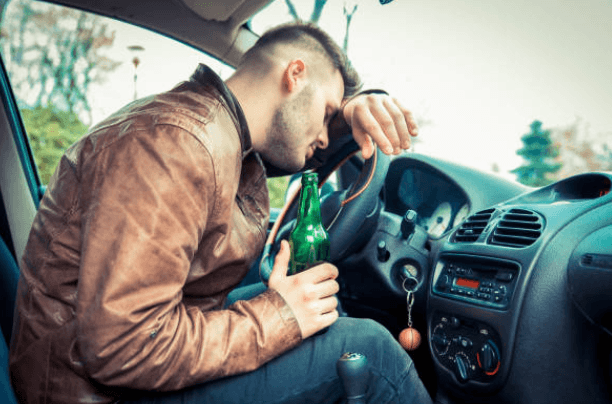
Drunk driving accidents continue to be one of the leading causes of serious injuries and fatalities on Colorado roads. Despite strict laws and public awareness campaigns, alcohol-impaired driving remains a major threat to drivers, passengers, pedestrians, and cyclists. Victims of these collisions often suffer life-changing injuries, emotional trauma, financial stress, and long-term medical complications that can affect every aspect of daily life.
When an alcohol-related crash occurs, determining liability becomes a critical part of the legal process. Liability refers to legal responsibility for the damages caused by the accident. In Colorado, multiple parties may sometimes be held accountable depending on the circumstances surrounding the collision. Understanding how liability works in drunk driving accidents can help victims protect their rights and pursue fair compensation for their losses.
For individuals searching for guidance from a drunk driving accident lawyer, understanding the legal aspects of alcohol-related collisions is an important step toward making informed decisions after an accident.
Why Drunk Driving Accidents Are So Dangerous
Alcohol significantly affects a driver’s ability to operate a vehicle safely. Even small amounts of alcohol can impair judgment, reaction time, coordination, concentration, and vision. As blood alcohol concentration (BAC) levels rise, the risk of serious accidents increases dramatically.
Drunk drivers are more likely to:
- Speed excessively
- Ignore traffic signals
- Drift between lanes
- Drive the wrong way
- Fail to brake in time
- Make reckless decisions
Because impaired drivers often lose control of their vehicles, alcohol-related crashes frequently result in severe injuries or fatalities.
Colorado Drunk Driving Laws
Colorado has strict laws regarding driving under the influence (DUI). A driver may face criminal charges if their blood alcohol concentration reaches or exceeds the legal limit of 0.08%.
However, drivers can still be considered impaired even if their BAC is below the legal threshold if alcohol affects their ability to drive safely.
Colorado also enforces stricter BAC limits for:
- Commercial drivers
- Underage drivers
- Repeat DUI offenders
Criminal charges against a drunk driver are separate from civil claims filed by accident victims seeking financial compensation.
Understanding Liability in Drunk Driving Accidents
In most alcohol-related vehicle collisions, the intoxicated driver is the primary party held liable for the damages caused. Victims may pursue compensation for injuries, medical bills, lost wages, pain and suffering, and property damage.
To establish liability, evidence generally needs to show that:
- The driver operated the vehicle while impaired
- The impaired driving caused the accident
- The victim suffered damages as a result
Evidence commonly used in these cases includes:
- Police reports
- Breathalyzer or blood test results
- Witness statements
- Surveillance footage
- Accident reconstruction reports
- Medical records
Strong evidence plays a major role in proving fault and maximizing compensation.
Comparative Negligence in Colorado
Colorado follows a modified comparative negligence system. This means an injured person may still recover compensation if they are partially responsible for the accident, as long as they are less than 50% at fault.
For example:
- If a victim is found 10% responsible, their compensation may be reduced by 10%
- If the victim is 50% or more responsible, they may be unable to recover damages
Insurance companies sometimes attempt to shift blame onto victims to reduce payouts. This is one reason why careful evidence collection is so important after a crash.
Can Bars or Restaurants Be Held Liable?
In certain situations, liability may extend beyond the drunk driver. Colorado’s dram shop laws allow injured victims to pursue claims against bars, restaurants, or establishments that knowingly served alcohol to visibly intoxicated individuals or minors.
Examples where third-party liability may apply include:
- Serving alcohol to an underage driver
- Continuing to serve someone who is clearly intoxicated
- Negligent alcohol service practices
Dram shop claims can become legally complex because they often require proving the establishment acted irresponsibly when serving alcohol.
Employer Liability in Drunk Driving Accidents
In some cases, employers may also share responsibility for a drunk driving accident. This may happen if:
- The intoxicated driver was operating a company vehicle
- The employee caused the accident while performing work-related duties
- The employer knowingly allowed unsafe driving behavior
Employer liability depends on the facts of the case and whether the driver was acting within the scope of employment at the time of the collision.
Common Injuries in Alcohol-Related Crashes
Drunk driving accidents often involve high-speed impacts and reckless driving behaviors, leading to catastrophic injuries.
Common injuries include:
- Traumatic brain injuries
- Spinal cord injuries
- Broken bones
- Internal organ damage
- Severe burns
- Neck and back injuries
- Permanent disabilities
Some victims require years of rehabilitation, ongoing medical care, or lifelong assistance after a serious crash.
Economic and Non-Economic Damages
Victims of alcohol-related accidents may be entitled to different forms of compensation depending on the severity of their injuries and losses.
Economic Damages
These damages cover measurable financial losses such as:
- Medical bills
- Rehabilitation costs
- Lost wages
- Future medical expenses
- Property damage
Non-Economic Damages
These damages compensate victims for personal suffering, including:
- Pain and suffering
- Emotional distress
- Loss of enjoyment of life
- Anxiety and trauma
Severe injuries can affect every area of a victim’s life, making comprehensive compensation essential for long-term recovery.
Punitive Damages in Drunk Driving Cases
Colorado courts may also award punitive damages in certain drunk driving accident cases. Unlike compensatory damages, punitive damages are intended to punish especially reckless or dangerous behavior.
Driving under the influence is often considered particularly reckless because impaired drivers knowingly put others at risk. Punitive damages may increase the total financial recovery available to victims.
What Victims Should Do After a Drunk Driving Accident
The steps taken immediately after a collision can affect both health and legal claims. Victims should consider the following actions:
Seek Medical Attention Immediately
Even if injuries seem minor, medical evaluation is critical for both health and documentation purposes.
Call Law Enforcement
Police officers can create official accident reports and document signs of driver impairment.
Gather Evidence
Take photographs of:
- Vehicle damage
- Road conditions
- Injuries
- Traffic signs
- The overall accident scene
Collect Witness Information
Witness statements can help support liability claims later.
Avoid Discussing Fault
Do not admit fault or provide unnecessary statements to insurance companies before understanding your legal rights.
Dealing with Insurance Companies
Insurance companies often attempt to minimize payouts after serious accidents. Victims may receive quick settlement offers that fail to account for long-term medical treatment or future financial losses.
Before accepting a settlement, it is important to fully understand:
- Future medical expenses
- Ongoing rehabilitation costs
- Reduced earning capacity
- Emotional and psychological impacts
Carefully reviewing settlement offers can help prevent victims from accepting less than they deserve.
Why Legal Representation Matters
Drunk driving accident claims can involve complicated legal and insurance issues, especially when severe injuries or multiple liable parties are involved. Legal representation may help victims:
- Investigate the accident thoroughly
- Preserve critical evidence
- Handle insurance negotiations
- Identify all liable parties
- Calculate damages accurately
- Pursue litigation if necessary
An experienced attorney can help victims focus on recovery while protecting their legal rights throughout the claims process.
For those seeking experienced legal support after a serious collision, Lampert & Walsh, LLC provides guidance for victims involved in alcohol-related vehicle accidents across Colorado.
See also: Health Benefits of Wearable Technology
Final Thoughts
Alcohol-related vehicle collisions can have devastating physical, emotional, and financial consequences. Understanding liability in these cases is essential for victims seeking justice and fair compensation. While intoxicated drivers are often the primary responsible parties, other individuals or businesses may also share liability depending on the circumstances.
By seeking immediate medical attention, preserving evidence, understanding Colorado laws, and carefully handling insurance claims, victims can better protect their rights after a drunk driving accident. Taking informed legal steps early can make a significant difference in the recovery process and long-term financial stability.