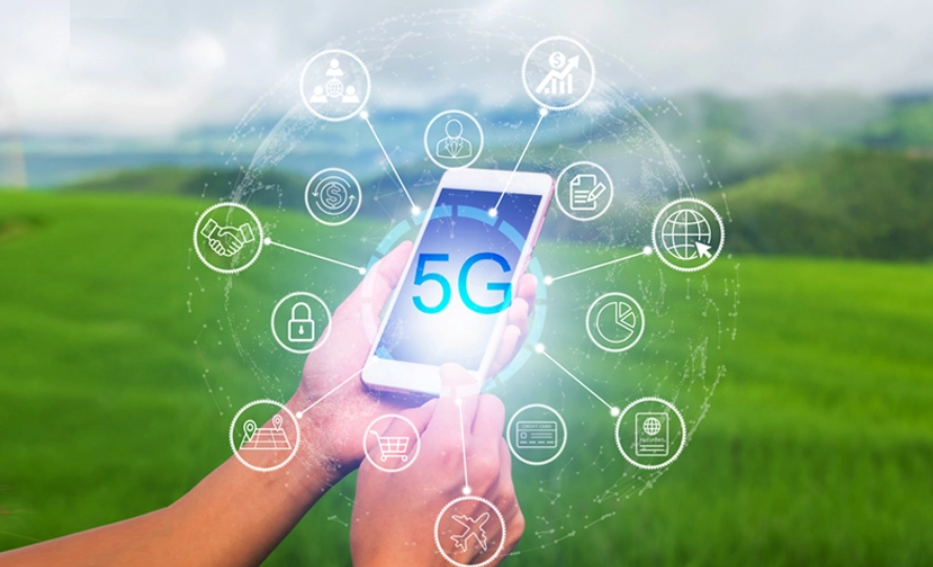
5G technology represents a significant advancement in mobile connectivity. It enhances speed and bandwidth, enabling quicker downloads and smoother streaming. Additionally, reduced latency benefits real-time applications, such as gaming and virtual collaboration. Moreover, 5G networks can support more devices simultaneously, which is crucial in crowded environments. This evolution not only improves user experience but also lays the groundwork for future innovations. What implications does this have for emerging technologies?
Enhanced Speed and Bandwidth
The advent of 5G technology marks a significant leap in mobile connectivity, characterized by enhanced speed and bandwidth.
This innovation enables faster downloads, facilitating immediate access to large files and high-definition content.
Furthermore, 5G supports seamless streaming, ensuring uninterrupted media consumption.
The increased capacity allows multiple devices to connect without degradation of service, empowering users with unprecedented freedom and flexibility in their digital interactions.
Reduced Latency for Real-Time Applications
Reduced latency is a defining feature of 5G technology, enhancing the responsiveness of real-time applications significantly.
This improvement facilitates seamless real-time gaming experiences, where every millisecond counts, and enables effective remote collaboration tools that require instantaneous feedback.
See also: Health Data and Technology Integration
Increased Device Capacity and Connectivity
An impressive increase in device capacity and connectivity characterizes the 5G network, enabling it to support a significantly higher number of simultaneous connections compared to its predecessors.
This advancement enhances device density, allowing more devices to operate without degrading performance. Consequently, network efficiency improves, optimizing resource allocation and ensuring seamless connectivity.
Thereby empowering users to leverage diverse applications and services in densely populated environments.
Empowering Innovative Use Cases and Technologies
As 5G networks continue to mature, they unlock a plethora of innovative use cases and technologies that were previously constrained by the limitations of earlier mobile standards.
This evolution fosters the development of smart cities, enabling real-time data exchange and efficient resource management.
Furthermore, it facilitates connected vehicles, enhancing safety and reducing congestion through seamless communication and autonomous systems, ultimately promoting urban freedom and mobility.
Conclusion
In conclusion, 5G serves as a vital bridge to the future of mobile connectivity, weaving a tapestry of enhanced speed, reduced latency, and increased device capacity. This technological evolution not only transforms the user experience but also cultivates a fertile ground for innovation. As the digital landscape flourishes, 5G stands as a beacon, illuminating the path toward a seamlessly connected world where possibilities are boundless and real-time interactions become the norm.