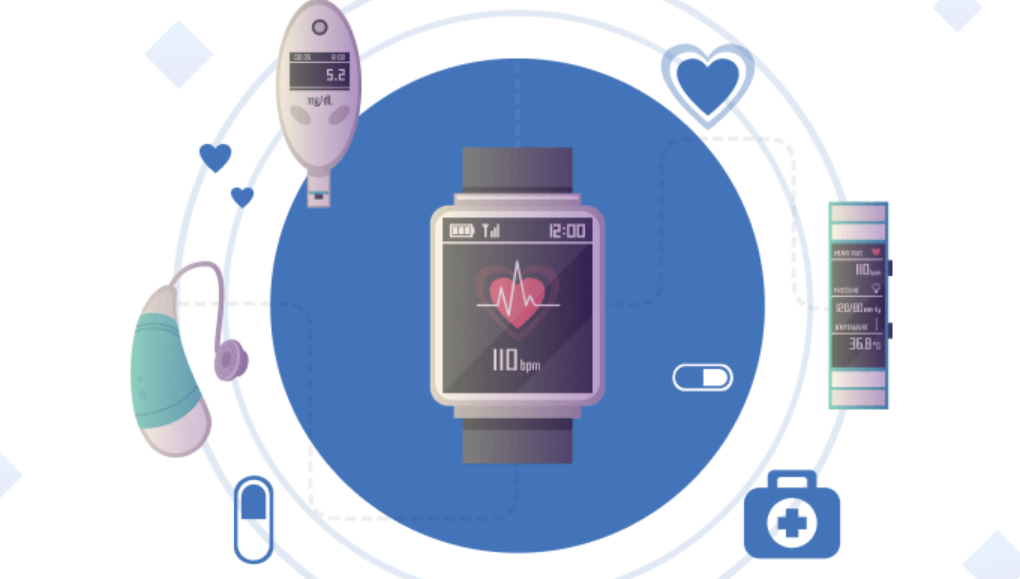
Wearable technology has emerged as a transformative tool in health management. These devices enable users to monitor their physical activity, sleep patterns, and mental health in real time. By enhancing personal accountability, wearables encourage individuals to pursue their health goals more effectively. As their capabilities expand, the implications for chronic condition management and overall well-being become increasingly significant. This evolution prompts a closer examination of how these advancements can redefine personal health strategies.
Enhanced Physical Activity Tracking
Many individuals are increasingly turning to wearable technology for enhanced physical activity tracking.
These devices provide real-time data on movement, heart rate, and calorie expenditure, fueling activity motivation. By setting and monitoring fitness goals, users can achieve a sense of freedom in their health journey.
This technology empowers users to take control of their fitness, making exercising more engaging and rewarding.
Improved Sleep Quality Monitoring
As individuals strive for better health, the ability of wearable technology to monitor sleep quality has emerged as a critical feature.
These devices track users’ sleep cycles, providing insights into sleep duration and patterns.
Chronic Condition Management
The ability of wearable technology to enhance sleep quality monitoring is just one of the many ways these devices are revolutionizing health management.
For individuals managing chronic conditions, wearables provide crucial data sharing with healthcare providers and offer medication reminders.
This technology empowers users to take control of their health, fostering independence while ensuring adherence to treatment plans and improving overall well-being.
Mental Health and Well-being Support
While mental health has often been overlooked in traditional healthcare approaches, wearable technology is emerging as a vital tool in supporting emotional well-being.
These devices facilitate stress management through real-time feedback and personalized insights.
Additionally, mood tracking features allow users to identify patterns and triggers, empowering them to make informed decisions about their mental health, ultimately leading to increased awareness and improved quality of life.
Conclusion
In summary, wearable technology acts as a personal health compass, guiding individuals toward improved fitness and well-being. By providing detailed insights into physical activity, sleep patterns, and mental health, these devices empower users to take charge of their health journeys. As they seamlessly integrate into daily life, wearables not only enhance chronic condition management but also foster a proactive approach to overall wellness. The future of health lies in these smart companions, illuminating the path to a healthier lifestyle.