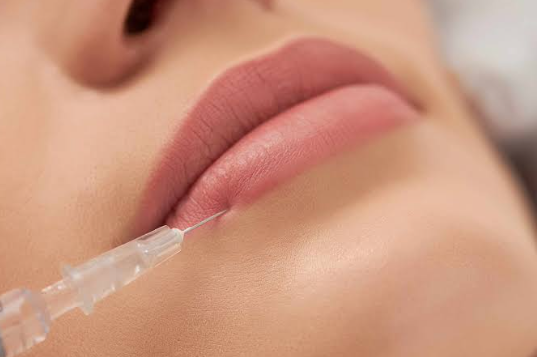
You booked filler hoping to feel a little more like yourself, then something felt off. Maybe your lips look uneven, your under-eyes seem puffy, or a cheek area that looked good at first now feels heavy every time you catch your reflection. That kind of regret can sit in your chest all day. If you are searching for help from a Bensalem, PA med spa, you may be wondering if you have to wait it out, if dissolving is risky, or if you made a mistake you cannot fix.
You are not stuck. Filler dissolving with hyaluronidase is used to break down hyaluronic acid filler when the result is unwanted, when the filler has shifted, or when there is a medical concern that needs fast treatment. In plain terms, it is the “undo” option for the right kind of filler, and in some cases it is not just cosmetic; it is urgent.
Hyaluronidase is used for both cosmetic corrections and medical emergencies
Hyaluronidase is an enzyme that breaks down hyaluronic acid. It is used only for fillers made from hyaluronic acid, not for every filler on the market. If you do not know what product was injected, that matters. A qualified injector needs that information before planning treatment.
Many people seek dermal filler reversal for reasons that are more common than you might think. The filler may have been placed too superficially and created a bluish tint under the skin. It may have absorbed water and caused swelling that never really settled. It may have migrated beyond the original area, which often shows up in the lips. Sometimes the issue is simple dissatisfaction. You wanted subtle and got volume. You wanted balance and got asymmetry.
There is another side to this that feels more serious because it is. Hyaluronidase is also used when there is concern for vascular occlusion, which happens when filler blocks blood flow. That can cause severe pain, blanching, a dusky color change, or skin that looks mottled. In rare cases, filler complications can threaten skin and even vision. The FDA’s guidance on dermal filler do’s and don’ts makes clear that filler should be performed by trained professionals who can recognize and respond to complications.
This is where timing matters. If your concern is cosmetic, you usually have time for a careful assessment. If your skin suddenly changes color, becomes very painful, or you notice unusual visual symptoms after filler, that needs immediate medical attention.
See also: How Device Verification API Enhances Mobile Device Lifecycle Management
Why dissolving filler can feel like a hard decision
Most people do not struggle with the science first. They struggle with the emotions around it. You paid for the treatment, you set aside recovery time, and you may have talked yourself into being patient because everyone says filler “settles.” Sometimes that is true. Early swelling can distort the result for days or even weeks. Sometimes waiting only prolongs a result that is not going to improve in the way you hoped.
There is also the fear that dissolving will leave you worse off. That fear often grows online, where one bad story can drown out hundreds of routine corrections. The research is more grounded than the internet can be. A 2024 review on the medical use of hyaluronidase in aesthetic practice describes it as a standard tool for managing hyaluronic acid filler complications and correcting poor outcomes when used appropriately. Another published review of hyaluronidase in filler complications and aesthetics discusses both effectiveness and the need for trained clinical judgment, especially when dosing and anatomy are involved.
That last point matters. Dissolving filler is not a casual add-on. The injector has to know what was placed, where it was placed, how long ago it was injected, and whether the issue is swelling, migration, scar tissue, normal settling, or true overfilling. The answer is not always “dissolve everything.” In some cases, a small amount of hyaluronidase is used only in the area causing trouble. In others, full correction is the cleanest path.
Professional filler correction is safer than guessing and waiting blindly
One of the most common mistakes is assuming every bad result needs immediate dissolving, or the opposite, assuming every concern will fix itself if you wait long enough. Both can backfire. If lips are still distorted after swelling should have resolved, waiting may just mean living with migration longer. If the area is simply swollen on day two, dissolving too early may remove filler that would have looked fine once healed.
| Situation | What it may mean | Typical next step |
| Mild swelling in the first few days | Normal post treatment swelling | Monitor, follow aftercare, reassess after healing |
| Persistent puffiness or migration weeks later | Product movement, water retention, or overcorrection | Evaluation for selective dissolving |
| Uneven shape or visible filler | Placement issue or superficial injection | Targeted hyaluronidase may help |
| Severe pain, blanching, dusky skin, vision changes | Possible vascular compromise | Immediate emergency assessment and treatment |
The safest approach is professional assessment, not home remedies, massage you found on social media, or advice from someone who did not examine you. A skilled provider can tell the difference between a result that needs time and one that needs action. That is the real value of filler dissolving in a med spa setting. It is not just about removing product. It is about making a sound decision before more time, money, and stress pile up.
Three steps to take if you think your filler needs to be dissolved
1. Confirm what filler you had. Ask for the product name, injection date, and treatment area if you do not already have it. Hyaluronidase works on hyaluronic acid fillers. That detail changes the whole plan.
2. Document what you are seeing. Take clear photos in good light from the front and both sides. Note when the issue started, whether it changed over time, and any symptoms like pain, blanching, tenderness, or vision changes.
3. Get assessed by a qualified injector promptly. If the issue is cosmetic, book an evaluation instead of guessing. If you have severe pain, major color change, or visual symptoms, treat it as urgent and seek immediate care.
Relief often starts with a clear plan
A result you do not like can feel bigger than it looks from the outside. It affects your confidence, your trust, and sometimes your willingness to try anything again. The good news is that hyaluronic acid filler can often be adjusted or reversed with care. When hyaluronidase is used for the right reason, in the right amount, by the right professional, it gives you a path forward instead of forcing you to wait and hope.
If you are worried about a recent filler result, schedule an evaluation at a med spa that understands both aesthetics and complications. A calm, informed plan is usually the first real relief.