You catch your teeth in bright light, a mirror, or a photo, and something looks off. One tooth reflects light differently. Another looks dull, chalky, or oddly shiny in spots. The color may not be the real issue. It is the surface. That uneven reflection can make your smile look worn, patchy, or unhealthy even when your teeth are clean. Picayune dentist has great information to help you fulfill your dental needs.
If that has been bothering you, you are not being vain. Changes in gloss and light reflection often point to real surface changes in enamel, old dental work, tiny cracks, or early wear. A general and cosmetic dentist can sort out what is cosmetic, what is structural, and what needs treatment before the look gets worse.
Uneven Tooth Gloss Often Starts With Enamel Changes
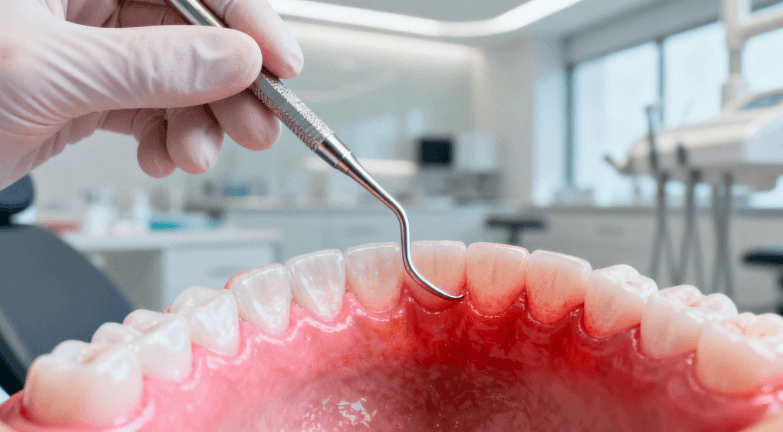
Teeth do not reflect light evenly when the outer surface is no longer smooth and consistent. Healthy enamel has a natural sheen because it is dense and uniform. When that surface changes, light scatters instead of bouncing back evenly, and your tooth can look flat, cloudy, rough, or strangely glossy in one area.
This can happen for several reasons. Acid erosion can thin enamel and change the way the surface catches light. The American Dental Association explains how dental erosion can wear down the tooth surface over time. Small chips, grinding, and bite pressure can do the same thing. White spot lesions after braces, aging fillings, bonding that has lost its polish, and early cracks can all create a mismatch in texture and shine.
You may have noticed that brushing harder does not fix it. Whitening strips often do not fix it either. That is because this is often a surface integrity issue, not just a stain issue. If one tooth is smooth and another has microscopic roughness, they will reflect light differently even if they are the same shade.
See also: How Device Verification API Enhances Mobile Device Lifecycle Management
Surface Irregularities Can Affect More Than Appearance
The cosmetic side is usually what gets your attention first. You smile less in photos, or you keep looking at the same tooth in the mirror. That stress builds because it feels hard to explain. Your teeth are not exactly crooked, and they are not always discolored, yet something still looks wrong.
Sometimes the appearance points to a deeper problem. MedlinePlus lists several tooth disorders that can affect enamel, structure, and sensitivity. A dull patch may be early demineralization. A too glossy area may be polished wear from grinding. A line that catches the light oddly may be a crack. The National Institute of Dental and Craniofacial Research also explains what really keeps teeth strong, which matters when enamel is no longer behaving like a healthy protective layer.
This is why cosmetic dentistry for uneven tooth shine is rarely just about making teeth look brighter. The best treatment matches the cause. If the issue is minor surface roughness, polishing or bonding may be enough. If enamel loss is involved, reshaping, veneers, or bite protection may be the better path. If an old filling is reflecting light differently than the natural tooth, replacing or recontouring that restoration can make a big visual difference.
Professional Cosmetic Dental Care Creates More Predictable Results
Many people try home fixes first because they seem cheaper and easier. Toothpaste for sensitivity, whitening kits, enamel repair products, and polishing tools all promise a lot. The problem is that they cannot tell you why one tooth looks different from another.
If you use whitening on a tooth with rough enamel and a neighboring tooth with smooth enamel, the color may lighten but the mismatch in reflection often stays. If you use abrasive products too often, you can make the surface less even. If a crack or failing bonding is present, home treatment can waste time while the defect becomes more visible.
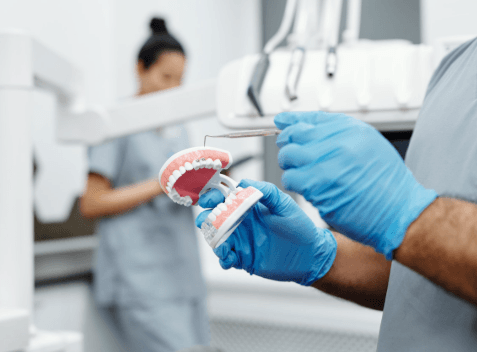
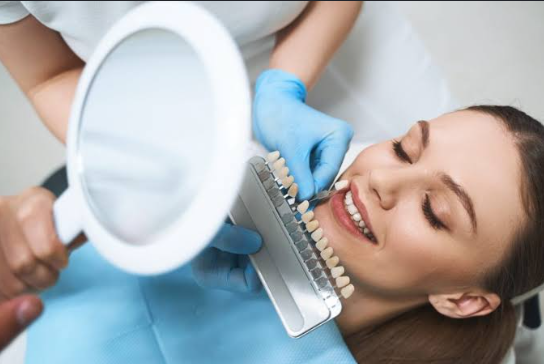
Teeth with uneven reflection or gloss often need a close exam under proper lighting, magnification, and bite evaluation. A dentist may look at enamel thickness, translucency, old restorations, and signs of clenching. That level of detail matters because the goal is not a fake uniform shine. It is a natural surface that reflects light consistently across your smile.
Home Fixes And Professional Treatment Differ In Risk And Results
| Option | What It Can Help | Limits | Best Fit |
| Whitening toothpaste or strips | Surface stains and mild color dullness | Does not correct texture, cracks, or uneven enamel reflection | Teeth that are healthy but slightly stained |
| Desensitizing or fluoride products | Sensitivity and early enamel support | May not change visible gloss differences much | People with sensitivity or early wear concerns |
| Professional polishing or recontouring | Minor roughness, uneven surface luster, stain retention | Only works when enamel structure is mostly intact | Small cosmetic texture issues |
| Bonding | Chips, white spots, localized dull or mismatched areas | Can stain or wear over time and may need maintenance | Targeted cosmetic correction |
| Veneers or replacement restorations | Severe surface inconsistency, worn enamel, old visible dental work | Higher cost and more planning | Long lasting smile redesign and stronger visual uniformity |
Small, Immediate Steps Can Protect Your Smile Before Treatment
Track what you are seeing. Take a few clear photos in natural light and indoor light. Note whether the same tooth always looks dull or overly shiny. This helps show whether the issue is one restoration, one wear spot, or a broader enamel pattern.
Stop guessing with harsh products. If you have been layering whitening strips, abrasive toothpaste, or at home polishing tools, pause. A root level cosmetic dentist concern like this can get harder to correct when the surface is repeatedly irritated or worn down.
Book an exam focused on texture, not just color. Tell the dentist the problem is uneven reflection or gloss, not only shade. That wording matters. It points the conversation toward enamel quality, bite forces, restorations, and surface contour instead of a simple whitening discussion.
Natural Looking Cosmetic Dentistry Starts With The Right Diagnosis
When teeth reflect light unevenly, your smile can look tired or off balance in a way that is hard to ignore. You are not imagining it, and you do not need to settle for quick fixes that miss the cause. The right dental plan can smooth the surface, protect weakened areas, and restore a more even, natural shine.
If this has been on your mind every time you look in the mirror, schedule a visit with a general and cosmetic dentist and ask for an evaluation of enamel wear, surface texture, and existing dental work.