You catch your smile in a mirror, on a video call, or in a photo someone else took, and there it is again, that small detail you keep noticing. Maybe your teeth look darker than they used to. Maybe one chip has started to bother you more than you expected. Maybe you have learned to smile with your lips closed because it feels easier than thinking about it. A Concord dentist can help you feel more confident about your smile.
That feeling is common, and it is not shallow. Your smile sits right in the middle of every conversation, every meal, every laugh. When something about it feels off, it can wear on you in quiet ways. The good news is that cosmetic dental treatment is not one thing for one kind of person. Whitening, bonding, and veneers solve different problems, and the right choice depends on what is actually bothering you, how long you want results to last, and how much dental work your teeth can support.
A general and cosmetic dentist can help you sort out whether the issue is mainly color, shape, wear, or a mix of all three. Before you choose any treatment, it helps to know the signs that your smile may be asking for more than toothpaste and time.
Tooth Discoloration That Does Not Lift With Routine Care Often Points to Whitening
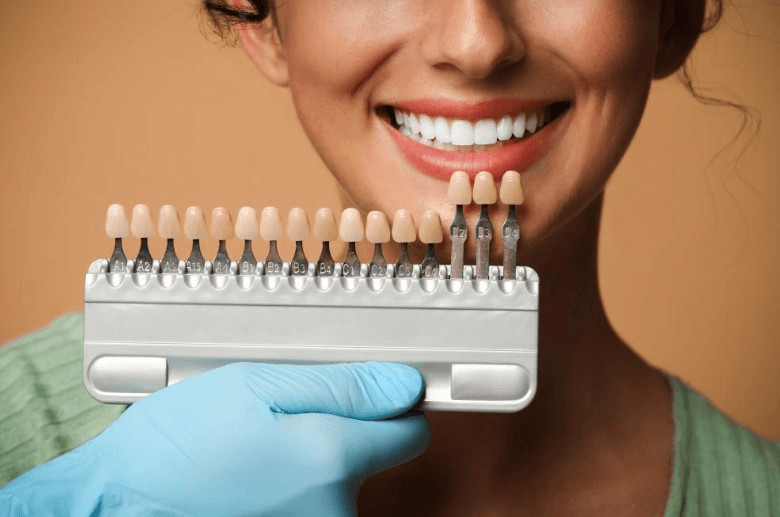
Surface stains happen. Coffee, tea, red wine, tobacco, and even some foods can darken enamel over time. Age plays a role too, because enamel thins and the dentin underneath shows through more. If your teeth look yellow, dull, or uneven in color, professional whitening may be the most direct fix.
The key detail is whether the discoloration is external or deeper inside the tooth. Some stains respond well to whitening. Others do not. According to MedlinePlus information on tooth discoloration, changes in tooth color can come from plaque, foods, tobacco, aging, injury, or certain medicines. If whitening strips have stopped making a difference, that usually means the stain is stubborn, the shade change is internal, or the problem is not really color alone.
This is where people get frustrated. You spend money on over the counter products, use them exactly as directed, and your teeth still look uneven. At that point, whitening may still help, but bonding or veneers may create a more even result if the discoloration is patchy or tied to damage.
Small Chips, Worn Edges, and Minor Gaps Often Respond Well to Bonding
Bonding works best when the problem is small but visible. A chipped front tooth, a rough edge, a tiny gap, or one tooth that looks slightly shorter than the others can make your whole smile feel out of balance. Even if no one else notices, you do. That matters.
Dental bonding uses a tooth colored resin to reshape or repair the area. It is usually more conservative than veneers because less natural tooth structure is changed. If you are looking for a practical cosmetic improvement without a major commitment, bonding is often the middle ground people want.
Bonding is not ideal for every case. If you grind your teeth, bite your nails, or tend to chew ice, bonded areas can wear or chip faster. If the tooth is also very dark, the resin may not hide discoloration as well as a veneer. Still, for focused repairs, teeth whitening, bonding, and veneers are not competing options so much as different tools for different jobs.
Multiple Cosmetic Concerns Often Make Veneers the Better Fit
Sometimes the issue is not one stain or one chip. It is the mix of things that has built up over time. Slight crowding. Uneven edges. Old dental work that no longer matches. Teeth that are healthy but do not look uniform. That is when veneers often enter the conversation.
Veneers are thin coverings placed on the front of teeth to improve color, shape, and symmetry. They can create a bigger overall change than whitening or bonding alone. If you keep noticing several flaws at once and feel like one small fix will not go far enough, veneers may be the option that finally brings everything together.
Material matters here. The National Institute of Dental and Craniofacial Research explains in its dental materials guide that different restorative materials have different strengths, appearances, and uses. That is one reason a proper exam matters. The best cosmetic result is not just about looks. It also depends on bite, enamel, gum health, and the material that fits your habits.
Gum Problems and Untreated Dental Issues Need Attention Before Cosmetic Work
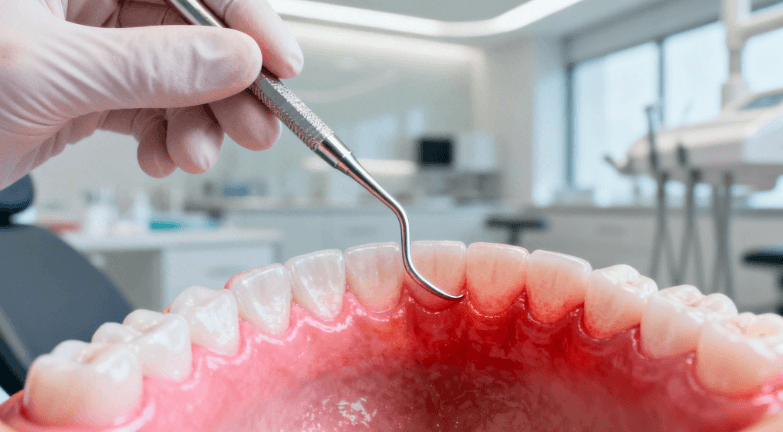
If your gums bleed when you brush, feel swollen, or seem to be pulling away from your teeth, cosmetic treatment should wait until the foundation is stable. Whitening on unhealthy gums can feel miserable. Bonding and veneers placed before gum disease or decay is addressed can lead to disappointment and more expense later.
The CDC notes on gum and periodontal disease that gum disease is common and can range from mild inflammation to serious damage to the tissues supporting the teeth. If your smile concerns come with tenderness, bad breath, loose teeth, or gum recession, start there. Cosmetic dentistry works best when the mouth is healthy first.
See also: Expat Health Insurance: 8 Simple Tips for Finding the Best Plan
Whitening, Bonding, and Veneers Solve Different Cosmetic Problems
| Treatment | Best For | What It Does | Limits to Consider |
| Whitening | Yellowing, surface stains, dull color | Brightens natural teeth | Does not change shape, chips, or many deep internal stains |
| Bonding | Small chips, minor gaps, uneven edges | Adds tooth colored resin to repair or reshape | Can stain or chip over time, less ideal for major color changes |
| Veneers | Multiple cosmetic concerns at once | Covers the front of teeth to improve color and shape | More commitment, may require tooth preparation |
If you are trying to decide when to get cosmetic dental work, think about what bothers you most. If it is color alone, whitening may be enough. If it is one flaw that draws your eye every time you smile, bonding may solve it quickly. If your concerns stack up across several teeth, veneers often make more sense than piecing together smaller fixes.
Three Smart Steps to Take Before Choosing Cosmetic Dentistry
Pin down the real problem. Stand in natural light and look for the issue you notice first. Is it shade, shape, spacing, wear, or all of the above? This makes your consultation more useful and helps you avoid paying for the wrong fix.
Check your dental health first. If you have sensitivity, cavities, grinding, or bleeding gums, deal with that before cosmetic treatment. A strong result starts with healthy teeth and gums.
Ask for options, not just one answer. A good cosmetic plan may include more than one path. You may be a fit for smile enhancement treatments with whitening alone, or you may need bonding now and veneers later. Ask about durability, maintenance, and what happens if your habits or bite put the work at risk.
A Better Smile Starts With the Right Match, Not the Biggest Procedure
You do not need to keep second guessing your smile or keep buying products that barely move the needle. The right cosmetic treatment depends on what your teeth are actually asking for. Whitening lifts color. Bonding repairs small flaws. Veneers create a broader reset when several concerns show up at once.
If your smile has been bothering you for a while, this may be the right time to schedule a visit with a dentist who provides cosmetic dentistry and can walk you through the options clearly. The best next step is a simple one: get an honest evaluation and find out which treatment fits your teeth, your goals, and your budget.