Cooling large indoor spaces efficiently can be challenging, especially during hot summer months when energy consumption rises significantly. Traditional air conditioning systems often lead to high electricity bills, uneven cooling, and increased maintenance costs. As a result, many homeowners and businesses are now looking for energy-efficient alternatives that provide reliable cooling without excessive operating expenses.
A ducted air cooler has become a popular solution for large homes, offices, warehouses, and commercial spaces because it delivers consistent airflow, improved ventilation, and lower energy consumption. These systems are designed to cool multiple rooms or large open areas through a network of ducts, making them a practical and cost-effective cooling option for modern properties.
What Is a Ducted Air Cooler?
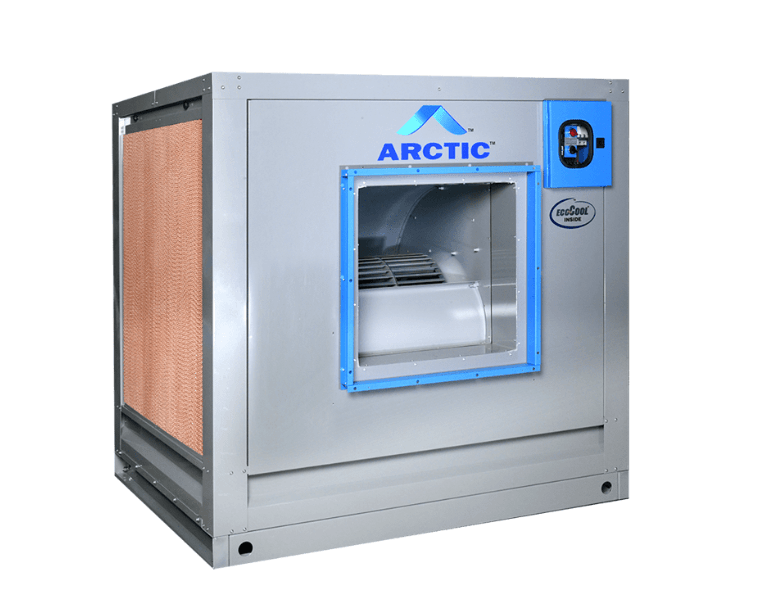
A ducted air cooler is a cooling system that distributes cooled air throughout a building using a duct network. Unlike standalone cooling units that only cool a single room, ducted systems are designed to provide centralized cooling across larger spaces.
Most ducted air coolers use evaporative cooling technology, where warm outdoor air passes through water-saturated cooling pads before being distributed indoors. This process naturally lowers the air temperature while maintaining fresh airflow.
How a Ducted Air Cooler Works
The cooling process in a ducted air cooler is simple but highly effective.
Step 1: Air Intake
Warm outside air is drawn into the cooling unit.
Step 2: Evaporative Cooling Process
The air passes through wet cooling pads where evaporation reduces the air temperature.
Step 3: Cool Air Distribution
The cooled air is pushed through ductwork installed throughout the building.
Step 4: Continuous Ventilation
Fresh air continuously circulates through the indoor space, improving airflow and comfort.
This process allows large areas to remain cool without relying heavily on energy-intensive refrigeration systems.
Why Ducted Air Coolers Are Ideal for Large Spaces
Large homes and commercial workspaces require cooling systems that can handle high airflow demands efficiently. Ducted air coolers are specifically designed for this purpose.
Key advantages include:
- Cooling multiple rooms simultaneously
- Even airflow distribution
- Lower energy consumption
- Better ventilation
- Reduced operating costs
These features make ducted systems highly suitable for larger properties.
Benefits of Using a Ducted Air Cooler
1. Energy Efficiency
One of the biggest reasons property owners choose ducted air coolers is their energy efficiency.
Unlike traditional air conditioning systems that rely on compressors and refrigerants, ducted evaporative coolers primarily use fans and water pumps, which consume much less electricity.
Energy-saving advantages include:
- Lower electricity bills
- Reduced power consumption
- Cost-effective long-term operation
This makes them ideal for cooling large areas where traditional systems may become expensive to run.
2. Cooling Large Areas Effectively
Ducted systems are designed to cool entire buildings rather than isolated rooms. The duct network ensures cool air reaches different sections of the property evenly.
This is particularly beneficial for:
- Multi-room homes
- Open-plan offices
- Warehouses
- Retail stores
- Commercial facilities
Consistent cooling improves comfort across the entire space.
3. Fresh and Cleaner Indoor Air
Traditional air conditioners often recirculate stale indoor air. In contrast, ducted evaporative systems continuously bring in fresh outdoor air.
Benefits include:
- Improved indoor air quality
- Better ventilation
- Reduced indoor pollutants
- Fresher living and working environments
This creates a healthier and more comfortable atmosphere.
4. Environmentally Friendly Cooling
Environmental sustainability has become increasingly important in modern building design.
Ducted air coolers support eco-friendly cooling because they:
- Use water instead of chemical refrigerants
- Produce lower carbon emissions
- Require less energy
- Reduce environmental impact
This makes them a greener alternative to conventional air conditioning systems.
5. Lower Installation and Maintenance Costs
Compared to large refrigerated HVAC systems, ducted air coolers are often more affordable to install and maintain.
Maintenance tasks are generally straightforward and may include:
- Cleaning cooling pads
- Checking water pumps
- Inspecting ducts and airflow systems
- Seasonal servicing
Lower maintenance requirements help reduce long-term operational expenses.
Residential Applications of Ducted Air Coolers
Homeowners benefit greatly from centralized cooling systems, especially in larger properties.
Common residential uses include:
- Multi-storey homes
- Open-plan living areas
- Large family homes
- Outdoor entertainment areas
Ducted cooling ensures all areas remain comfortable during hot weather.
Commercial Applications
Commercial properties often require powerful and efficient cooling systems capable of handling large indoor spaces.
Popular commercial applications include:
- Offices
- Warehouses
- Restaurants
- Shopping centers
- Industrial facilities
Ducted air coolers provide cost-effective cooling while maintaining proper ventilation for employees and customers.
Comparison Between Ducted Air Coolers and Traditional Air Conditioning
Ducted Air Coolers
- Lower electricity usage
- Fresh airflow circulation
- Environmentally friendly
- Lower operating costs
- Better ventilation
Traditional Air Conditioners
- Higher energy consumption
- Uses refrigerants
- Recirculates indoor air
- Higher maintenance costs
- Can create dry indoor air
This comparison highlights why many large property owners prefer ducted evaporative cooling systems.
Factors to Consider Before Installing a Ducted Air Cooler
Before choosing a cooling system, several important factors should be evaluated.
1. Climate Conditions
Ducted evaporative coolers perform best in hot and dry climates where evaporation is more effective.
2. Property Size
The system should be properly sized to match the cooling needs of the building.
3. Duct Design
Efficient duct placement ensures balanced airflow throughout the property.
4. Ventilation Requirements
Proper ventilation improves cooling performance and indoor comfort.
Professional assessment helps ensure maximum efficiency.
Common Misconceptions About Ducted Cooling
Some people assume evaporative cooling systems are only suitable for industrial environments or cannot cool effectively.
Modern ducted systems are actually designed for:
- Residential comfort
- Commercial efficiency
- Large-scale cooling performance
- Improved energy management
Advancements in technology have significantly improved cooling capabilities and reliability.
Maintenance Tips for Long-Term Performance
Proper maintenance helps maximize system lifespan and efficiency.
Important maintenance practices include:
- Cleaning cooling pads regularly
- Inspecting water supply systems
- Checking airflow and duct conditions
- Seasonal professional servicing
Routine maintenance ensures reliable cooling performance over time.
Future of Ducted Cooling Technology
Cooling technology continues to evolve with a focus on energy efficiency and sustainability.
Future developments include:
- Smart climate control systems
- Automated airflow adjustments
- Advanced cooling pad materials
- Integration with renewable energy sources
- Improved water management systems
These innovations will make ducted cooling systems even more efficient and environmentally friendly.
Importance of Professional Installation
Professional installation is essential for achieving the best performance from a ducted air cooling system. Experts can properly design duct layouts, calculate airflow requirements, and ensure efficient system operation.
For advanced cooling solutions, Yesarctic provides high-performance evaporative cooling systems designed for residential and commercial applications.
See also: A Practical Business Exit Framework for Owners and Directors
Final Thoughts
Efficient cooling is essential for maintaining comfort in large homes and workspaces, especially in hot climates where energy costs can quickly increase. A ducted air cooler offers a practical, energy-efficient, and environmentally responsible solution for cooling large indoor spaces while maintaining fresh airflow and lower operating costs.
With benefits such as centralized cooling, improved ventilation, reduced electricity consumption, and eco-friendly operation, ducted air cooling systems continue to be a smart investment for modern residential and commercial properties.