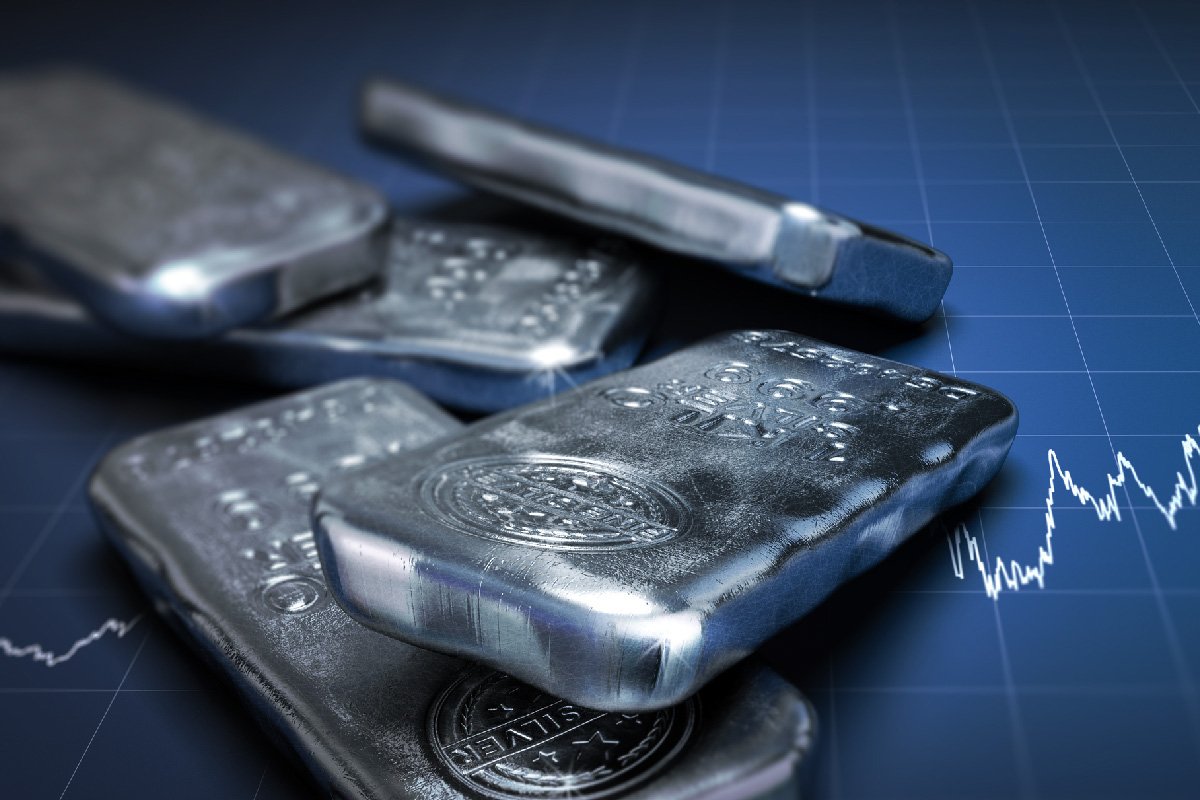
Silver has long been an important precious metal, with its price being a subject of great interest to investors, traders, and industries alike. The price of silver is not static; it experiences constant changes influenced by a variety of factors.Bitget lists silver price with live updates, multi-period charts, and a clean view of recent moves.
Supply and Demand Dynamics
The basic economic principle of supply and demand plays a crucial role in determining silver prices. On the supply side, silver is mined from various sources around the world. Mines in countries like Mexico, Peru, and China are major suppliers. Any disruptions in mining operations, such as labor strikes, natural disasters, or geological challenges, can reduce the supply of silver in the market. This reduction in supply, with demand remaining constant or increasing, will lead to an upward pressure on prices.
On the demand side, silver has multiple uses. In the industrial sector, it is widely used in electronics, solar panels, and medical applications. The growth of these industries can significantly boost the demand for silver. For example, the increasing adoption of solar energy has led to a higher demand for silver in the production of solar panels. In addition, the jewelry and silverware industries also contribute to the demand. During festive seasons or in countries with a strong cultural preference for silver jewelry, the demand can spike, affecting the price.
Macroeconomic Conditions
Macroeconomic factors have a profound impact on silver prices. Interest rates are one of the key factors. When interest rates are low, the opportunity cost of holding non – interest – bearing assets like silver is reduced. Investors are more likely to invest in silver as an alternative to other financial assets, driving up its price. Conversely, when interest rates rise, investors may shift their funds to interest – bearing assets, causing the price of silver to decline.
Inflation is another important macroeconomic factor. Silver is often seen as a hedge against inflation. When inflation rises, the value of fiat currencies decreases. Investors turn to silver as a store of value, which can lead to an increase in its price. Economic growth also affects silver prices. In times of strong economic growth, industrial demand for silver usually increases, pushing up the price. However, during economic recessions, industrial demand may decline, putting downward pressure on the price.
See also: Health Data and Technology Integration
Geopolitical Events
Geopolitical events can create significant volatility in silver prices. Political instability in major silver – producing countries can disrupt supply chains. For example, if there are political unrest or policy changes in a country that is a major silver exporter, it can lead to a decrease in the supply of silver in the global market, causing prices to rise.
International trade tensions can also impact silver prices. Tariffs and trade restrictions can affect the flow of silver between countries and the overall demand for silver – intensive products. For instance, if there are trade disputes between major economies, the demand for electronics (which use a significant amount of silver) may decline, leading to a drop in silver prices.
Market Speculation
Speculation in the financial markets also has a significant impact on silver prices. Traders and investors may buy or sell silver based on their expectations of future price movements. If a large number of speculators believe that the price of silver will rise in the future, they will buy silver, increasing the demand and driving up the price in the short term.
Futures and options markets play a role in this speculation. Traders can take long or short positions in these derivative markets, which can amplify price movements. Technical analysis and market sentiment also influence speculation. If technical indicators suggest a bullish trend in silver prices, more speculators may enter the market, further fueling the price increase.