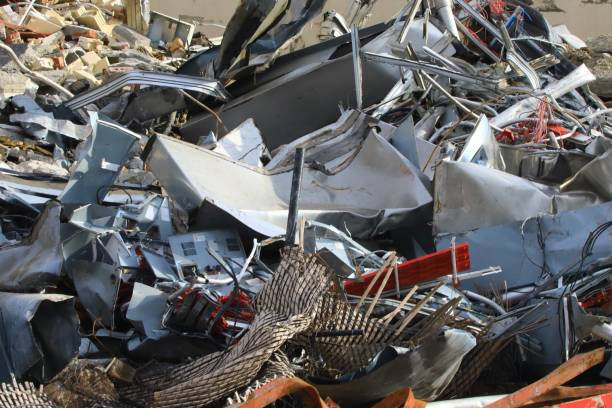
Industrial operations generate substantial volumes of scrap on a daily basis, yet many businesses underestimate the complexity of managing this material properly. Poor handling creates compliance risks, reduces recovery value, and strains workplace safety protocols. Specialist support transforms scrap from a liability into a controlled, profitable asset stream that strengthens your operational framework.
Manufacturing plants, construction sites, and logistics facilities face unique challenges when dealing with ferrous and non-ferrous waste streams. Without experienced metal recyclers guiding collection procedures and pricing negotiations, you’re likely leaving money on the table whilst exposing your operation to regulatory scrutiny. Professional partnerships ensure materials reach certified processing facilities through documented chains of custody that protect your reputation.
The Hidden Costs of Amateur Scrap Handling
Compliance Gaps Create Legal Exposure: Regulations surrounding hazardous materials, transport documentation, and environmental permits change frequently across jurisdictions. When your team lacks specialist knowledge, you risk fines that dwarf any perceived savings from informal arrangements. Environmental Protection Authority standards demand precise record-keeping that untrained staff simply can’t maintain consistently.
Revenue Loss Through Poor Sorting: Mixed loads attract penalty rates because processors must invest additional labour separating contaminated streams. Copper mixed with steel, aluminium contaminated with plastics, or cables bundled with structural offcuts all reduce what buyers will pay per tonne. Perhaps you’ve noticed fluctuating payments without understanding why—material purity directly impacts your bottom line.
Operational Delays From Inefficient Systems: Ad-hoc collection schedules disrupt production workflows when bins overflow or materials accumulate in unsafe configurations. Your staff shouldn’t spend valuable time coordinating pickups or negotiating prices. These delays compound during peak production periods when scrap volumes surge beyond normal capacity.
See also: business intelligence analysis report
How Specialist Recyclers Improve Industrial Efficiency
Tailored Collection Schedules Reduce Disruption: Professional services analyse your production cycles to establish pickup frequencies that prevent accumulation without requiring constant oversight. They provide appropriate container sizes matched to your waste stream composition, eliminating makeshift storage solutions that clutter workspaces and create hazards.
Accurate Pricing Based on Market Intelligence: Commodity trading knowledge ensures you receive fair rates aligned with Metal Exchange indices and regional supply conditions. Specialists understand grade specifications and can educate your team on preparation methods that maximise value. This transparency builds trust and creates predictable revenue forecasting for financial planning.
Documentation for Sustainability Reporting: Corporate environmental targets require verified data on waste diversion and circular economy contributions. Expert recyclers provide detailed weight tickets, processing certificates, and carbon offset calculations that auditors accept without question. These records support your Environmental, Social, and Governance reporting whilst demonstrating genuine commitment to stakeholders.
Risk Reduction Through Expert Management
Health and Safety Protocol Adherence: Scrap handling presents serious injury risks from sharp edges, heavy materials, and potentially hazardous substances. Trained collection teams use proper equipment and follow strict safety procedures that protect both their staff and yours. You reduce workers’ compensation exposure whilst maintaining compliance with occupational health requirements.
Insurance and Liability Coverage: Reputable recyclers carry comprehensive insurance protecting you from transport accidents, environmental incidents, or processing facility problems. Informal collectors rarely maintain adequate coverage, leaving your business vulnerable if something goes wrong during removal or disposal.
Supply Chain Transparency: Knowing exactly where your materials end up matters for due diligence and corporate responsibility. Specialist operators provide facility certifications, processing methods, and end-market destinations that prove materials enter legitimate recycling streams rather than illegal export channels or landfill dumping.
Optimising Value Through Partnership Approach
Consider these advantages when establishing long-term recycling relationships:
- Volume-based pricing improvements reflect your status as a reliable supplier with consistent material quality and regular collection schedules.
- Technical support for process improvements helps identify opportunities to reduce contamination and increase recoverable volumes through better segregation.
- Market timing flexibility allows you to stockpile materials during price troughs and release inventory when commodity values peak, maximising annual returns.
- Equipment maintenance includes regular servicing of bins, compactors, and handling equipment without separate contracts or unpredictable repair costs.
- Regulatory updates keep your operation ahead of legislative changes affecting waste classification, transport requirements, or export restrictions.
Conclusion
Industrial scrap management demands expertise that generalist waste contractors simply don’t possess. From navigating complex regulations to securing optimal pricing and maintaining rigorous safety standards, specialist metal recyclers deliver measurable advantages that improve your operational efficiency. Don’t let poor scrap handling undermine profitability or create unnecessary risks. Partner with experienced professionals who understand industrial waste streams and can transform your scrap management into a strategic advantage. Contact qualified recyclers today to discuss how tailored solutions can strengthen your sustainability performance whilst protecting your bottom line.