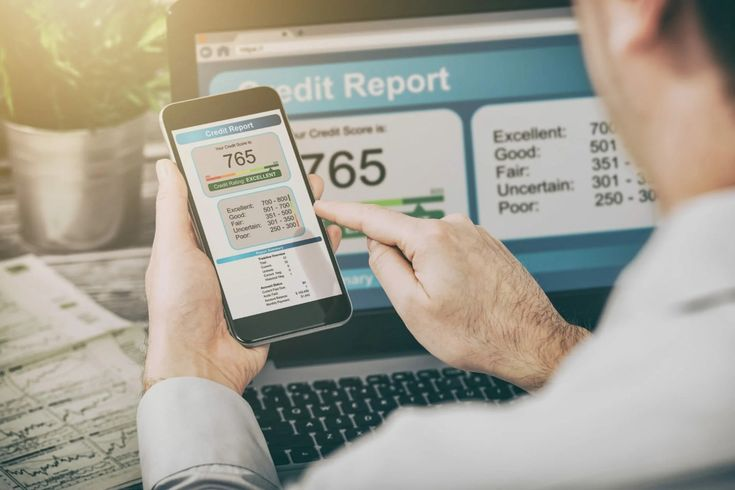
Credit risk monitoring is very important for managing financial risks, especially for banks and other companies that give loans. Monitoring credit risk is essential, but it also has its own difficulties. In this post, we look at the main problems businesses have with keeping track of credit risks and offer ideas on how to solve these issues.
6 Difficulties in Credit Risk Monitoring and Tips to Solve Them
- Wrong or Missing Information
A major problem in credit risk monitoring is dealing with wrong or missing information. Checking credit risk depends a lot on the quality of information about the borrower. This includes their financial statements, spending history, credit scores, and outside information like industry trends or economic signs. If any of this information is wrong or old, it greatly raises the chances of making mistakes when assessing credit risks.
How to Solve It?
Organizations should spend money on checking data to make sure it comes from trustworthy and current sources. Using automatic tools to collect and check data can make this process easier. Keeping data up to date and using real-time monitoring systems to watch how borrowers act can help ensure the data stays accurate.
- Changing Economic Situations
Changing economic situations, like changes in interest rates, rising prices, or economic slumps, can greatly affect the risk of lending money. A sudden economic problem can make it hard for a borrower to pay back loans, even if they had a good credit history before. This problem is especially noticeable in industries or markets that are affected by changes in the economy.
See also: business intelligence analysis report
How to Solve It?
To solve this problem, credit risk models need to be flexible and change as needed. Stress testing and scenario analysis can help financial institutions see how different economic situations could affect borrowers’ ability to pay back loans. Regularly checking economic indicators and the borrower’s financial situation can help spot problems early.
- Depending Too Much on Past Information
Many credit risk models depend a lot on historical information, like how borrowers did in the past and their credit records. Past data is helpful, but it doesn’t always consider unexpected events or changes in how borrowers act. Economic problems, like pandemics or natural disasters, can disrupt historical trends and make them less dependable.
How to Solve It?
Using future signs along with past information is one way to reduce this risk. Organizations can use AI tools that analyze past and current data to spot new patterns in how borrowers act. These models can change and adapt to new situations, providing better predictions of credit risk.
- Regulatory Compliance and Reporting
Credit risk monitoring must follow different rules and reporting needs, like those from Basel III, Dodd-Frank, and other local financial regulations. These rules are usually complicated and require institutions to have enough money, manage their cash flow well, and provide detailed reports. Not following these rules can damage your reputation, lead to big fines, or increased checking by regulators.
How to Solve It?
Banks and financial companies can handle rules and regulations better by using automated tools that keep an eye on changes in the laws and update their systems when needed. Regulatory technology (RegTech) tools can help businesses follow the rules by making it easier to gather data, create reports, and check their work automatically.
- Limited Use of Technology
Another big problem in monitoring credit risk is that there isn’t enough use of technology. Many banks and financial companies still use old methods, outdated technology, and old software. This can slow down their ability to accurately and quickly assess credit risks. If organizations don’t use advanced technologies well, they may make slow decisions that often contain mistakes.
How to Solve It?
To stay ahead and better track credit risk, organizations need to put money into new, integrated systems. Using advanced software tools, like automatic credit scoring, real-time data analysis, and risk management systems, can greatly improve how decisions are made. Connecting these systems with current platforms can make data sharing easier, enhance communication between teams, and offer better and more current risk evaluations.
- Not Enough Skilled Workers
Good credit risk monitoring needs skilled people who can analyze data, understand risk models, and make smart choices. However, there are often not enough skilled workers who know about managing risks, analyzing data, and following rules. This shortage makes it difficult for organizations to create a good and balanced credit risk monitoring team.
How to Solve It?
Banks and financial companies can solve the lack of skilled workers by providing training and development for their employees. Providing ongoing training and chances to earn certificates in data science, risk management, and regulatory compliance can help develop skills within the company.
Conclusion
Credit risk monitoring is very important for banks and other financial institutions. Problems like incorrect data, changing economies, rules and regulations, and lack of technology can make it very hard to assess risks. To solve these problems, organizations need to use new technology, train their staff, and work together by sharing information between departments.